From Isolated to Connected: How Online Learning Brought My World Back to Life
Have you ever felt stuck in a routine, learning alone at home with no one to share it with? I did too—until I discovered how online learning platforms could do more than teach skills. They quietly opened doors to new friendships, meaningful conversations, and a broader world. It wasn’t just about courses; it was about connection. This is how my screen became a bridge, not a barrier. What started as a way to pick up a new hobby turned into something far deeper—a lifeline that brought warmth, belonging, and joy back into my days. And the best part? It didn’t require a dramatic change, just a small shift in how I used the tools already at my fingertips.
The Loneliness Behind the Screen
When I first started taking online courses, I thought I was doing everything right. I’d wake up early, pour myself a cup of tea, open my laptop, and dive into a new lesson. I was learning web design, something I’d always wanted to try, and I felt proud of myself for finally making time. But after a few weeks, I noticed something strange—I wasn’t feeling more energized or inspired. Instead, I felt… quieter. More alone. The house was still, the kids were at school, my partner at work, and I was sitting there, watching someone on a screen explain CSS grids, nodding along, typing notes, and then closing the tab. Repeat the next day. And the next.
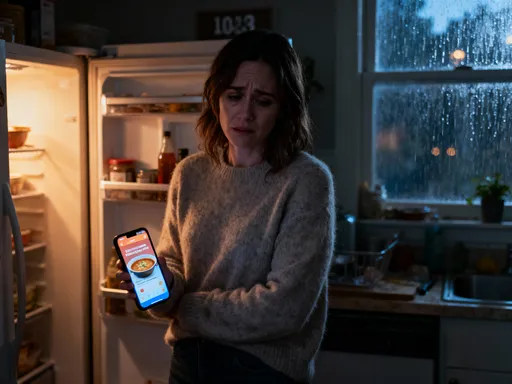
It wasn’t that the course was bad. In fact, it was well-structured, easy to follow, and taught by someone clearly passionate about the subject. But something was missing. I realized it one evening while folding laundry and catching up on a podcast. The host mentioned how learning used to happen in communities—in kitchens, workshops, classrooms—where knowledge was passed down with laughter, questions, and shared moments. And it hit me: I wasn’t just learning alone—I was learning in silence. There were no side comments, no ‘Wait, how did you do that?’ moments, no shared triumphs. Just me, the screen, and the quiet hum of the refrigerator.
That’s when I began to wonder—what if online learning didn’t have to feel this way? What if the very tools I was using to gain new skills could also help me feel less isolated? I didn’t need to move cities or join a club. I just needed to look at the platform differently. Not as a library, but as a living room. Not just a place to absorb information, but a space to belong. The turning point wasn’t downloading a new app or signing up for a fancier course. It was a simple change in mindset: learning doesn’t have to be solitary. In fact, it wasn’t meant to be.
Finding People Who Speak Your Language (Even If It’s Code)
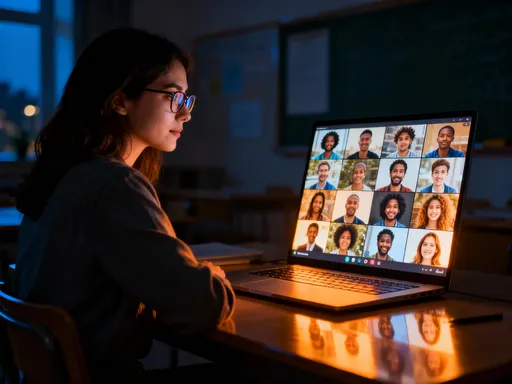
The first time I clicked into a live discussion session, I nearly backed out. My cursor hovered over the ‘Leave’ button for a solid minute. What if I sounded silly? What if no one responded? What if I didn’t understand the conversation and just sat there, mute, while others typed away? But I stayed. And within five minutes, something shifted. Someone from Argentina asked a question about responsive design that I’d been wondering about too. I typed a reply, and she responded instantly—‘Thank you! That makes so much sense!’ Another person, a woman in Nairobi, chimed in with a joke about browser compatibility that had us all laughing in the chat. We weren’t just troubleshooting code—we were sharing stories, time zones, and encouragement.
That moment opened my eyes to what was possible. These platforms weren’t just global classrooms—they were global living rooms. People from Manila to Madrid, Toronto to Taipei, were logging in with the same quiet hope: to learn, to grow, and maybe, just maybe, to connect. We didn’t need to share a language, culture, or age group. We shared curiosity. And that, it turns out, is a powerful common ground. I began to look forward to these sessions not because I had to, but because I wanted to. I wasn’t just learning how to build a website—I was learning how to be part of something.
One of the most beautiful things about online learning communities is how naturally they break down barriers. In real life, we often gravitate toward people who look, speak, or live like us. But in these digital spaces, connection happens around shared effort, not shared background. I remember being stuck on a JavaScript problem late one night. I posted my question in the course forum, half-expecting no response until morning. But within ten minutes, a retired teacher from Sweden replied with a clear explanation and a hand-drawn diagram he’d scanned from his notebook. I was touched—not just by his help, but by the care behind it. This wasn’t a transaction. It was kindness in action.
From Passive Watching to Real Conversations
For a long time, I treated online courses like TV. I’d press play, take notes, maybe pause to try something, and then shut it down when I was done. It felt efficient, but it was also one-sided. I was consuming content, not engaging with it. The shift came when I started noticing the interactive features most platforms offer—peer reviews, discussion boards, live Q&As, group projects. At first, I ignored them. They felt like extra work. But then I tried one. A photography course asked us to submit a photo for peer feedback. I hesitated. My photo wasn’t perfect. Was I really ready to share it?
I clicked ‘Submit’ anyway. And then, something amazing happened. A woman from Portland wrote, ‘I love the way the light hits the leaves—so peaceful.’ Another person from Dublin said, ‘I tried something similar last week! Want to swap tips?’ I hadn’t expected gratitude, let alone an invitation to connect. That small exchange turned into a longer chat, then a shared folder of favorite editing tricks, and eventually, a monthly check-in call. What began as a simple assignment became a real friendship.
These features aren’t flashy. They don’t come with bells and whistles. But they are powerful because they invite participation. They say, ‘Your voice matters. Your experience is valuable.’ I stopped asking myself, ‘Did I understand the lesson?’ and started wondering, ‘Who will I meet today?’ That change in focus transformed my entire experience. Learning became less about checking boxes and more about showing up as a person—imperfect, curious, and open.
Building Friendships Around Shared Growth
Some of my closest friendships today started with a simple comment: ‘I struggled with this too.’ In a course on digital illustration, I admitted in the forum that I kept redrawing the same character over and over, never feeling satisfied. A woman from Melbourne replied, ‘Same! It’s like my hand knows what I want, but my tablet doesn’t listen.’ We laughed, exchanged tips, and decided to do a weekly ‘draw together’ session over video. We’d mute our mics, play soft music, and just create, checking in every so often to share progress or vent about wobbly lines.
Those sessions became something I looked forward to all week. They weren’t about producing masterpieces—they were about showing up, trying, and being seen. Over time, our conversations deepened. We talked about parenting, aging parents, dreams we’d put on hold. When I went through a tough time last year, it was this group—women I’d never met in person—that held space for me with kindness and care. One sent me a small sketch of a sunflower with the note, ‘Keep growing.’ I still have it on my desk.
What makes these friendships different is that they’re built around growth, not just shared history. Most of my long-term friends knew me ‘before’—before kids, before career changes, before life reshaped me. But these women know me as I am now—as someone learning, changing, becoming. There’s a unique kind of intimacy in being witnessed in that process. They’ve seen my shaky first attempts at animation, my proud first completed project, my moments of frustration and breakthrough. Our bond isn’t based on nostalgia. It’s based on moving forward—together.
Learning as a Gateway to Belonging
I’ve come to see that wanting to learn something new is one of the most human things we can do. It says, ‘I’m not done. I’m still curious. I still care.’ And that openness is magnetic. Online platforms recognize this and design spaces where that energy can connect. Whether it’s a course on baking sourdough, mastering Excel, or understanding climate change, the shared intention to grow creates an instant warmth.
I’ve seen single moms in a graphic design course form a support thread where they share childcare hacks alongside design tips. Retirees in a history class organize weekly ‘coffee chats’ to discuss lectures and life. Nurses studying psychology create quiet spaces to talk about burnout and resilience. These aren’t forced networking events. They’re organic, tender communities that form because people are showing up as their real, trying selves.
What I love most is that these spaces don’t care about your title, income, or appearance. They care about your effort. They celebrate small wins—‘First time I got the code to run!’ or ‘I finally understood that concept!’—with genuine enthusiasm. In a world that often measures us by productivity or appearance, these communities remind us that growth itself is worthy of celebration. And in that celebration, we find belonging.
Small Interactions, Big Emotional Shifts
You don’t need a grand event to feel connected. Sometimes, it’s a single message that changes your day. I remember one morning, I was feeling low—tired, overwhelmed, questioning whether I should even continue the course. I opened the discussion board and saw a note from a woman in Ireland: ‘Saw your post yesterday—thank you for sharing your process. It helped me see my own work differently.’ I hadn’t thought much of what I’d written. But she did. And that tiny moment of being seen lifted me like sunlight through clouds.
These small interactions—‘Great job!’ ‘Love your idea!’ ‘Same struggle here’—are like emotional breadcrumbs. They don’t shout, but they guide. Over time, they build a sense of safety and recognition. I began to look forward to logging in not just for the lessons, but for the possibility of connection. I started sharing more—my messy drafts, my failed attempts, my ‘I have no idea what I’m doing’ moments. And instead of judgment, I found support. The more I opened up, the more I realized how many others felt the same but stayed quiet.
The technology didn’t replace real life. It deepened it. My confidence grew—not just in my ability to code or design, but in my ability to reach out, to be seen, to belong. And that confidence spilled over into my offline world. I spoke up more in meetings. I reconnected with old friends. I even started a small local art group for women in my neighborhood. The screen didn’t isolate me—it helped me come back to myself.
How to Turn Any Course Into a Social Experience
If you’re feeling isolated in your learning journey, I want you to know—there’s another way. It starts with a simple shift: show up like you’re joining a community, not just a class. That means participating in discussions, asking questions, and sharing your progress—even the imperfect parts. Choose courses that offer live sessions, group projects, or peer feedback when you can. These features aren’t just extras—they’re invitations to connect.
Be the one to say, ‘Want to study together?’ or ‘Anyone else stuck on this?’ You’d be amazed how many people are hoping someone will say it first. And don’t wait until you’re an expert. In fact, your beginner perspective is valuable. Every expert was once a nervous newcomer typing their first message. Your courage might be the spark someone else needs.
And remember—connection doesn’t have to be big. A simple ‘I relate to this’ or ‘Thanks for sharing’ can mean more than you know. Over time, these small moments build a web of belonging that makes learning not just informative, but joyful. My screen didn’t shut me off from the world. It opened a door—one I didn’t even know I needed. And on the other side, I found not just skills, but friends, purpose, and a renewed sense of place in this wide, wonderful world. If you’re sitting there, learning alone, wondering if anyone else feels this way—yes, we do. And we’re waiting to welcome you in.