Tested 3 Workflow Apps for 90 Days: This One Finally Helped Me Make New Friends
Have you ever felt too busy to build real connections? I was stuck in that cycle—buried in tasks, scrolling solo, and missing meaningful conversations. Then I tried a simple shift: using workflow tools not just to save time, but to create space for people. Over three months, I tested apps that promised productivity *and* connection. One actually delivered. Here’s how technology, used right, didn’t just organize my day—it opened my life.
The Lonely Side of Being “Busy”
Let’s be honest—how many of us wear “I’m so busy” like a badge of honor? I did. For years, I believed that being productive meant filling every slot on my calendar, checking off to-dos like a champion, and never saying no. I prided myself on efficiency. But beneath all that hustle was a quiet ache I couldn’t name. My planner was full, but my heart felt empty. I’d scroll through social media at night, seeing friends catching up over brunch or laughing at backyard barbecues, and wonder, “When did I stop being part of that?”
It wasn’t that I didn’t want to connect. I just… ran out of room. My days were packed with work deadlines, school pickups, grocery runs, and household chores. By the time I sat down, I was too drained to pick up the phone or send a thoughtful message. And here’s the irony: the very tools I used to manage my time—calendar apps, task lists, reminder systems—were actually making it worse. They kept me locked in a loop of doing, doing, doing, with no built-in space for simply being—with others.
I started to realize that busyness, left unchecked, can become a kind of emotional isolation. We think we’re being responsible, but we’re slowly erasing the moments that make life feel warm and full. The laughter over coffee, the impromptu walk with a neighbor, the long phone call with an old friend—these aren’t luxuries. They’re necessities. And if our workflow systems don’t make room for them, we’re not just losing time. We’re losing connection.
Why Workflow Tools Usually Fail at Human Connection
Most productivity apps are designed with one goal in mind: help you do more, faster. And they’re good at it. I’ve used apps that track my time down to the minute, automate email responses, and even predict what task I should do next. But here’s what none of them ever asked: “Who have you talked to today?” or “When was the last time you had a real conversation?”
These tools celebrate efficiency, but they ignore emotional output. They’ll remind me to pay a bill or submit a report, but never to call my sister just because. They treat time like a currency to be spent on tasks, not as a gift we can give to people. And that’s the problem. When we rely solely on apps that only measure productivity in output, we start to internalize that mindset. We begin to believe that value comes from what we produce, not who we nurture.
I remember one week where I hit every goal—submitted early, cleaned the house, prepped meals for the week—and yet I hadn’t spoken to a single friend. Not one. I looked at my app’s cheerful “100% completed!” screen and felt… hollow. Because no app had reminded me that relationships need attention too. They don’t thrive on efficiency. They thrive on presence, consistency, and small, intentional gestures. And most workflow tools don’t support that. They weren’t built for the soft, messy, beautiful parts of life.
It made me wonder: what if we could redesign our relationship with productivity tools? What if instead of just asking, “What needs to get done?” they also asked, “Who needs to be seen?” That’s when I decided to try something different.
The Experiment: Can an App Help You Make Friends?
I’ve always believed that technology should serve life, not run it. So I asked myself: what if I used a workflow app not just to manage chores, but to actually grow my circle? I didn’t want to just stay in touch with old friends—I wanted to make new ones. Real ones. The kind you can call at 8 p.m. when your kid is sick or show up with soup when you’re under the weather.
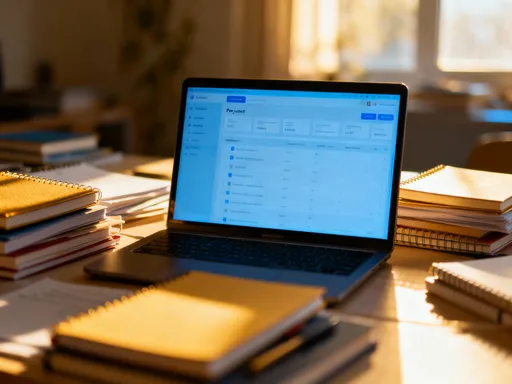
So I launched a 90-day experiment. I picked three popular workflow apps—each known for smart scheduling, habit tracking, and task automation. My goal wasn’t just to get more done. It was to build at least two meaningful, lasting friendships by the end of the trial. And I didn’t want it to feel forced. No awkward networking events or forced small talk. I wanted organic, warm connections that grew naturally from shared moments.
Here’s how I set it up: I redefined “productivity” to include emotional well-being. I added new categories to my task list: “Reach out to someone new,” “Schedule a coffee date,” “Send a voice note to a neighbor.” I treated these like any other important task—non-negotiable, time-blocked, and tracked. I even started journaling my mood each week, noting how I felt after social interactions. Did I feel energized? Drained? Connected? Over time, I began to see patterns. Some apps helped me act, but not feel. Others made it easy to plan, but hard to be present. Only one truly supported both.
This wasn’t about gaming the system or faking friendships. It was about using technology to create space—space to breathe, to reach out, to say, “Hey, I’ve been thinking about you.” And what I discovered surprised me.
App #1: The Over-Engineered Organizer
The first app I tried was sleek, powerful, and packed with features. It could auto-schedule tasks, sync across devices, and even predict my most productive hours. It looked like the future of productivity. And for pure efficiency? It delivered. I saved nearly 20% of my task time just by using its smart automation. Emails got drafted faster, meetings were optimized, and my mornings ran like clockwork.
But here’s what happened: I started to feel like a robot. Scheduling a coffee with a new acquaintance felt exactly like booking a dentist appointment. The app assigned it a time slot, sent a calendar invite, and added a follow-up reminder: “Debrief after meeting.” Debrief? This wasn’t a business negotiation—it was a chance to connect. The app reduced the friction of planning, but it also stripped away the warmth. I found myself treating people like tasks to be completed, not humans to be enjoyed.
One Saturday, I had a “friend hangout” blocked from 2:00 to 3:30 p.m. When we were still laughing and chatting at 3:25, my phone buzzed: “Next task: Grocery shopping. Begin in 5 minutes.” I looked at my new friend, embarrassed, and said, “I’m so sorry—I have to go. My app says it’s time.” She laughed, but I didn’t. Because in that moment, I realized something important: friendship can’t be scheduled like a meeting. It needs flexibility. It needs overflow. It needs the ability to linger over a second cup of tea and say, “I’m in no rush.”
This app taught me a valuable lesson: too much optimization kills spontaneity. When everything is rigidly timed and tracked, there’s no room for the magic—the unplanned moments that often lead to the deepest connections. I needed a tool that supported structure without suffocating soul.
App #2: The Minimalist Tracker That Missed the Heart
The second app was the opposite—clean, simple, almost barebones. No flashy features, no AI predictions. Just checklists, focus timers, and a daily review. I liked its calm energy. It didn’t overwhelm me. It helped me reduce decision fatigue and stay consistent with small habits, like drinking more water or walking 10 minutes a day.
So I added “text a friend” to my daily checklist. Every night, I’d pull out my phone, shoot off a quick “Hey, how are you?” to someone, check the box, and move on. On paper, I was doing great. I was reaching out! But in reality? Nothing changed. The messages felt robotic. I wasn’t really seeing the person. I wasn’t asking how their job search was going or remembering their dog’s name. I was just checking a box.
One day, a friend replied, “This is the third time this week you’ve sent the same message. Everything okay?” I froze. I hadn’t realized I’d been on autopilot. The app celebrated completion, but it didn’t care about quality. It didn’t ask, “Did that message feel meaningful?” or “How did the conversation go?” It just wanted the checkmark.
I realized then that simplicity without intention is just another form of avoidance. Just because I was doing the action didn’t mean I was showing up. And relationships don’t grow from transactions. They grow from attention. From remembering the little things. From saying, “I saw this and thought of you,” not “I have to text someone today.”
This app helped me stay consistent, but it didn’t help me connect. I needed something that balanced routine with reflection—something that reminded me not just to act, but to care.
App #3: The One That Balanced Efficiency and Warmth
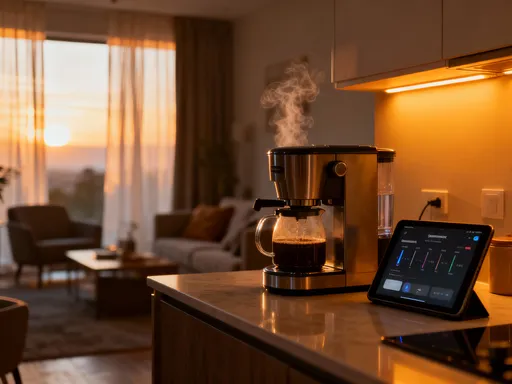
Then I found the third app. It wasn’t the flashiest or the simplest. But it was the wisest. From the first day, it felt different. Instead of just asking, “What’s next?” it also asked, “How are you feeling?” It didn’t just schedule tasks—it scheduled space. After every meeting, it added a five-minute buffer with a note: “Could this turn into coffee?” After I completed a big project, it prompted: “Who supported you this week? Thank them.”
I started using it to block “connection time” on my calendar—30 minutes, twice a week, just to reach out to someone. Not for any reason. Just to say hi. The app even suggested names based on how long it had been since I last contacted them. “It’s been 18 days since you talked to Maria. Want to send a voice note?”
One Tuesday, I followed the prompt and sent Maria a quick audio message: “Hey, I was walking past that flower shop you love and saw the sunflowers were back. Made me think of you.” She called me back within ten minutes, laughing. We ended up talking for over an hour. Two weeks later, she invited me to a small book club with her friends. That’s where I met Lena and Priya—two women who’ve since become close friends.
The app didn’t force anything. It didn’t over-schedule or reduce people to checkboxes. Instead, it gently guided me back to what matters. It reminded me to notice. To appreciate. To reach out—not because I had to, but because I wanted to. It created rhythm without rigidity, structure without sterility. And slowly, those small moments added up to real belonging.
How to Turn Workflow Into Relationship-Building (Without Feeling Fake)
By the end of the 90 days, I hadn’t just made two new friends—I’d changed my entire mindset about productivity. I no longer see my workflow as a tool for squeezing more into the day. I see it as a way to protect what matters. And here’s how you can do it too, no matter which app you use.
First, redefine what counts as “important.” Add categories like “nurture relationships” or “check in with loved ones” to your task list. Give them real time—15, 30, or 60 minutes—and treat them with the same respect as a work meeting. When you schedule a coffee, block extra time. Let it overflow. Let it breathe.
Second, use reminders with warmth. Instead of “Text friend,” try “Send a voice note to Sarah—ask about her garden.” Specificity creates sincerity. And if your app allows custom prompts, add reflection questions: “Who made you smile this week?” or “Who made you feel seen?”
Third, build in buffer zones. After any social interaction—virtual or in person—give yourself five minutes of unscheduled time. Use it to reflect: Did I enjoy that? Do I want to do it again? This small pause helps you stay intentional, not automatic.
And finally, let go of perfection. You don’t have to reach out every day. You don’t have to have deep conversations every time. Sometimes, a simple “Thinking of you” text is enough. The goal isn’t to be the most connected person. It’s to feel connected.
When I started, I worried it would feel mechanical—like I was using an app to fake friendship. But the opposite happened. The app didn’t replace humanity. It protected it. It gave me permission to slow down, to prioritize people, to say, “This matters.” And in a world that glorifies busyness, that’s revolutionary.
Productivity That Feeds Your Soul
At the end of the day, real productivity isn’t measured in tasks completed or emails answered. It’s measured in moments shared, in laughter heard, in connections deepened. The app that truly helped me wasn’t the fastest or the fanciest. It was the one that remembered I’m human. That I need people. That my time is valuable not because I can fill it, but because I can share it.
This journey didn’t just help me make new friends. It helped me reclaim my days. I’m still busy—life doesn’t slow down. But now, I’m not just getting things done. I’m living. I’m showing up. I’m saying yes to coffee, to calls, to quiet moments with people who matter.
If you’ve ever felt too busy to connect, I want you to know: it’s not your fault. The systems we use often pull us away from what we crave most. But it doesn’t have to be that way. With a small shift—using technology not to add more, but to protect what matters—you can create space for real life to unfold.
You don’t need more hours. You need better design. And when your workflow includes room for people, you don’t just become more productive. You become more present. More joyful. More you. That’s the kind of productivity that doesn’t just change your schedule—it feeds your soul.