From Overwhelmed to Effortless: How Smart Homes Quietly Handle Life’s Daily Chaos
Life moves fast — between work, family, chores, and personal goals, it’s easy to feel like you’re always playing catch-up. You’re not alone. What if your home could help you stay on track without adding more to your plate? Not with flashy tech, but with quiet, thoughtful support that fits seamlessly into your routine? This isn’t about futuristic gadgets — it’s about real, everyday relief. Imagine a space that knows when you need a little nudge, a warm room, or just five quiet minutes. That’s not magic. That’s a smart home working in the background, helping you breathe a little easier.
The Morning Rush That Never Feels Under Control
Let’s be honest — mornings can feel like a race you didn’t sign up for. The alarm goes off, someone’s missing a shoe, the dog needs walking, and you’re already three steps behind. You grab your coffee, rush out the door, and halfway down the street, it hits you: Did I turn off the stove? Lock the back door? Turn off the lights? That nagging doubt follows you all the way to work, stealing your focus and peace. We’ve all been there. And it’s not just about forgetting things — it’s about the mental load of remembering everything, all the time.
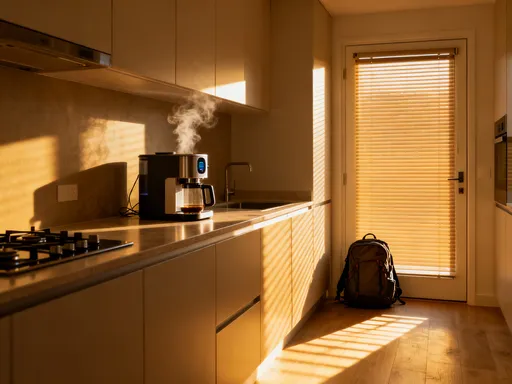
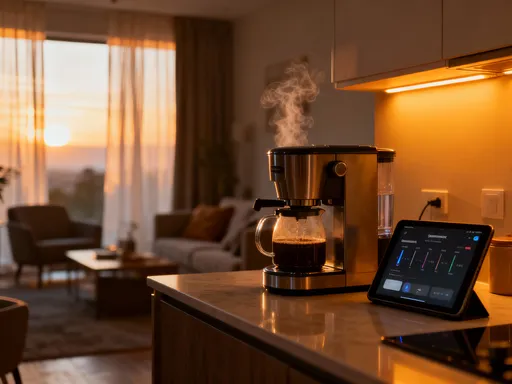
Now imagine a different kind of morning. Your bedroom lights slowly brighten 15 minutes before your alarm, mimicking sunrise to help your body wake up naturally. The thermostat has already adjusted, so the house isn’t freezing when you step out of bed. As you walk into the kitchen, the coffee maker starts brewing — not because you touched a button, but because it knows your routine. Meanwhile, your voice assistant quietly says, “Good morning. Today’s forecast is sunny, 72 degrees. Your first meeting is at 9, and don’t forget — Sarah’s piano recital is tonight at 6:30.”
It’s not about replacing your role as the heart of the home. It’s about giving you a little more breathing room. Smart lighting, thermostats, and voice alerts don’t take over — they support. They handle the small stuff so you can focus on the big things, like making eye contact with your kids, sharing a real conversation, or just savoring that first sip of coffee. And when you finally walk out the door, you can do it with confidence. A quick voice command or app check confirms the doors are locked, the stove is off, and the lights are out. No second-guessing. No stress. Just peace of mind.
Keeping Track of Goals Without the Guilt
We all have goals — drink more water, move more, be more mindful, get better sleep. But too often, tracking them feels like another chore. Open the app. Log the data. Feel guilty when you fall short. It’s exhausting. And for busy women juggling so many roles, adding one more thing to monitor can feel overwhelming. What if your environment could help you stay on track without the pressure? What if progress felt gentle, not forced?
Smart technology can quietly support your personal growth in ways that feel natural, not clinical. Picture this: You’re getting ready in the morning, and your smart mirror — yes, a real mirror with a built-in display — shows a soft message: “Don’t forget to stretch. Your back will thank you.” It’s not scolding you. It’s reminding you with kindness. Or imagine your smart water bottle lighting up with a gentle glow when it’s time to drink. You’re working at your desk, and the soft blue pulse catches your eye. You take a sip. No app, no logging, just a small, seamless action.
Even mindfulness can be woven into your day without extra effort. A smart speaker can play a two-minute breathing exercise when you say a simple phrase, like “I need a moment.” Or your lights can shift to a calming amber tone in the evening, signaling your body that it’s time to wind down. These aren’t dramatic changes. They’re small nudges that make healthy habits easier to stick with — not because you’re forcing yourself, but because your home is quietly cheering you on. And that makes all the difference. You’re not failing at your goals. You’re living them, one gentle reminder at a time.
A Home That Remembers So You Don’t Have To
How many times have you walked into a room and forgotten why you were there? Or missed a deadline because it slipped your mind? Our brains are amazing, but they weren’t built to hold 50 passwords, seven school events, three doctor’s appointments, and the grocery list all at once. Mental clutter is real, and it’s exhausting. The good news? You don’t have to carry it all alone.
Think of your voice assistant or smart display as your family’s shared memory bank. It doesn’t judge. It doesn’t forget. It just helps. You can say, “Hey, remind me to call the dentist when I get home,” and your smart speaker will chime in the driveway. You can ask, “What’s on the calendar today?” and it will list everything — from your Zoom call to your daughter’s soccer game. You can even set recurring reminders: “Every Wednesday at 4 PM, tell the kids it’s time to start homework.”
For families, this is a game-changer. No more sticky notes on the fridge. No more last-minute panic about permission slips or birthday gifts. One mom shared how her smart display reminds her every Friday to pack swim gear for her son’s lesson — a detail she used to forget at least once a month. Another family uses voice commands to add items to a shared shopping list. “Add milk,” someone calls out from the kitchen. “Add dog food,” says a child from the living room. By the time Saturday rolls around, the list is ready, and nothing gets forgotten.
And it’s not just about convenience. It’s about freedom. When your home remembers the little things, you’re free to focus on the big things — like helping your child with a tough math problem, planning a weekend together, or just being present in the moment. You’re not outsourcing parenting or responsibility. You’re using tools that let you show up more fully. And that’s something worth celebrating.
Chores That Manage Themselves
Let’s talk about the never-ending list: laundry, dishes, vacuuming, grocery shopping. These tasks don’t just take time — they take mental energy. Deciding when to start a load, remembering to switch it to the dryer, checking if the dishwasher is empty — it’s a constant loop of small decisions. Over time, it wears you down. What if some of these tasks could run on autopilot?
Smart appliances are designed to reduce that decision fatigue. A smart washing machine can wait until off-peak energy hours to start, saving you money and running quietly while you’re asleep. A robot vacuum can clean the floors every morning at 10 AM, so you come home to a tidy house without lifting a finger. Some models even empty their own dustbins, so you don’t have to deal with it for weeks.
Then there’s the smart fridge — not just a cooler, but a helper. It can track what’s inside, alert you when milk is about to expire, and even suggest recipes based on what you have on hand. Some models let you see the contents from your phone, so you don’t buy duplicates at the store. And when it notices you’re low on eggs or bread, it can add them to your shopping list automatically.
These aren’t luxuries for the rich or the tech-obsessed. They’re practical tools for real life. They don’t eliminate chores — but they make them quieter, easier, and less demanding of your attention. And that means more time for what matters: reading with your kids, calling a friend, or just sitting with a cup of tea and doing nothing. You’re not lazy for wanting help. You’re smart for using tools that give you back your time and energy.
Calm Spaces for Busy Minds
Your home should be your sanctuary — a place where stress fades and connection grows. But too often, it feels noisy, chaotic, and overwhelming. Between the pings of notifications, the clutter of toys, and the pressure to keep everything running, it’s hard to find calm. What if your home could help you create peace, not just manage tasks?
Smart lighting, sound systems, and air quality monitors can transform your space into a haven. Imagine this: As the sun sets, your lights automatically dim to a warm, soft glow. No harsh overheads. No squinting at screens. Just a gentle transition that tells your body it’s time to relax. At the same time, your smart speaker starts playing quiet instrumental music — something soothing, not distracting.
Or picture this: It’s allergy season, and the pollen count is high. Your air quality monitor detects a change and signals your smart air purifier to ramp up. You don’t have to think about it. You just breathe easier. Your kids sleep better. Your eyes don’t itch. The system works quietly in the background, protecting your family’s health without any effort on your part.
Even mealtime can feel more peaceful. Set a routine where lights shift to a warm tone and soft music plays during dinner. No phones. No stress. Just connection. These small details don’t shout for attention — but they make a big difference. They help everyone slow down, be present, and feel more at ease. And when your environment supports calm, you’re more likely to feel calm too. It’s not about perfection. It’s about creating moments of peace, one quiet feature at a time.
Growing Together, One Small Step at a Time
A smart home isn’t just about making life easier for you — it’s about helping your whole family grow. When technology supports routines, goals, and shared values, it becomes a tool for connection, not just convenience. Think about energy savings. Instead of nagging the kids to turn off lights, you can make it a game. “Can we all get ready for bed by 9 and win the ‘Lights Out Challenge’?” A smart display tracks it, gives a cheerful message when you succeed, and even plays a fun sound. Suddenly, saving energy feels fun, not frustrating.
Or consider bedtime routines. A smart system can guide younger kids through the steps: “Time to brush your teeth,” says the speaker. Then, “Now it’s pajamas.” Finally, “Lights dimming in 5… 4… 3…” It’s not replacing your role as a parent. It’s giving you backup — gentle, consistent backup that doesn’t get tired or lose patience.
For teens, smart reminders can help build responsibility. “Your homework is due tomorrow,” the display might say in the afternoon. Or, “Don’t forget your jacket — it’s cold outside.” These aren’t commands. They’re supports, helping kids learn to manage their lives with less stress for everyone.
And for you? It means less nagging, fewer power struggles, and more harmony. You’re not losing control — you’re gaining peace. The technology fades into the background, and what comes forward is your family: laughing, connecting, growing. That’s the real win.
Living Lighter, Not Harder
At the end of the day, a smart home isn’t about having the latest gadgets or showing off tech skills. It’s about creating space — space for rest, for joy, for being present with the people you love. It’s about reducing the noise, the stress, the mental load, so you can focus on what truly matters. Because you’re not just managing a household. You’re raising a family, building a life, and trying to stay true to yourself in the process.
The beauty of smart technology is that it doesn’t demand attention. It doesn’t need to be perfect. It just works — quietly, consistently, thoughtfully. It turns off the lights when you forget. It warms the house before you get home. It reminds you to drink water, take a breath, or call your mom. These small acts add up to something big: a life that feels more balanced, more peaceful, more *yours*.
You don’t have to do it all. You don’t have to remember it all. You don’t have to be everything to everyone. With a little help from your home, you can let go of the little things and hold on to what really matters — time, connection, peace. That’s not laziness. That’s wisdom. That’s self-care. That’s living with intention.
So if you’ve ever felt overwhelmed by the daily grind, know this: You’re not behind. You’re not failing. You’re human. And you deserve support. A smart home isn’t the answer to everything — but it can be a quiet, steady ally in your corner, helping you move from overwhelmed to effortless, one small moment at a time.