I kept saying ‘I’ll listen when I’m free’ — this podcast app finally made it happen
We’ve all been there — telling ourselves we’ll catch up on that insightful podcast *when we have time*. But between work, chores, and life’s chaos, “free time” never comes. What if the problem isn’t your schedule, but how you’re using it? I felt the same, until a simple shift in how I listened made all the difference. This isn’t about finding more hours — it’s about making every minute count. And honestly? I didn’t realize how much I was missing — new ideas, motivation, even a little joy — just because I kept waiting for the ‘perfect moment’ that never showed up.
The Myth of “Free Time” and Our Podcast Guilt
Let’s talk about that quiet little voice in your head. You know the one — the one that whispers, “You should really listen to that episode on gardening tips,” or “That interview about mindful parenting sounded amazing.” You saved it. Maybe even starred it. But weeks later, it’s still sitting there, untouched, buried under newer episodes. And every time you open your podcast app, you feel a tiny twinge of guilt. Not because you’re lazy — because you care. You want to learn. You want to grow. You just… never seem to get around to it.
Here’s the truth I had to face: waiting for free time is like waiting for the weather to change before you go outside. It might happen, but you’ll be standing at the window forever. Life doesn’t slow down. There’s laundry to fold, meals to prep, emails to answer, and a thousand little things that pull you in different directions. The idea that we’ll suddenly have a clear hour to sit and listen, fully present, is a myth — especially for us, the ones juggling so much behind the scenes.
And that guilt? It’s misplaced. It’s not that you’re failing. It’s that the way we’ve been taught to consume content doesn’t fit real life. We’re told to block off time, to create rituals, to be intentional. But what if your life doesn’t allow for rituals? What if your ‘me time’ happens in the five minutes between dropping the kids off and starting your shift? That’s not failure — that’s reality. And what if I told you that’s more than enough?
Why Most People Give Up on Podcasts (And It’s Not Their Fault)
I used to think I just didn’t have the attention span anymore. I’d start an episode while chopping onions, and by the time I got to the second paragraph of a story, I’d realize I’d missed half of it. Or I’d plug in during my walk, only to have the wind drown out the host’s voice. I’d try again in the car, but traffic noise made it hard to focus. It wasn’t that the content wasn’t good — it was that the conditions were all wrong.
And I’m not alone. So many of us start strong — excited to learn something new, to feel inspired — but give up because it feels like work. Long episodes that run 60, 70, even 90 minutes? That’s a big commitment when you’re already stretched thin. And let’s be honest — multitasking isn’t always multitasking. Sometimes it’s just trying to do two things at once and doing neither well.
The real issue isn’t motivation. It’s design. Most podcast apps were built for a different kind of listener — someone with headphones, a quiet space, and uninterrupted time. They weren’t built for the woman who’s stirring soup with one hand and holding her phone with the other. They weren’t made for the mom who’s folding socks and trying to catch a few minutes of wisdom between school pickups. The tools didn’t match the life.
That’s why so many of us end up abandoning our saved episodes. Not because we don’t care. Because the experience doesn’t fit. It’s like trying to wear heels to a playground — technically possible, but not exactly comfortable or practical. We need something that bends with our lives, not something that demands we change ourselves to fit it.
Meet the App That Changed Everything (No Tech Jargon, Just Real Help)
Then one day, a friend said, “You’ve got to try this app. It’s like it *gets* how you actually live.” I rolled my eyes a little — I’d heard that before. But I was tired of missing out, so I gave it a shot. And honestly? It was different from the first moment.
It didn’t overwhelm me with settings or flashy features. No complicated menus or geeky terms. Instead, it just… worked. I opened it, picked a short episode about stress management, and hit play while unloading the dishwasher. And something small but powerful happened: I actually heard it. The audio was clear, even over the clatter of dishes. The app had automatically removed the long pauses and “ums” — not the whole episode, just the dead air — so I didn’t have to sit through silence waiting for the next idea.
Later that day, I stepped outside to check the mail. I pulled out my phone, and there it was — the same episode, paused right where I left off. I hit play, and it picked up instantly. No buffering, no searching. It synced across my devices like it was reading my mind. I didn’t have to think about it — I just listened.
That’s when I realized: this wasn’t just another app. It was a quiet partner in my day. It didn’t demand my full attention. It didn’t ask me to sit still. It met me where I was — in the kitchen, on the porch, walking the dog — and made listening feel effortless. It wasn’t about technology for technology’s sake. It was about removing friction so I could actually enjoy the things I wanted to enjoy.
Step-by-Step: How to Turn Dead Time into Learning Time
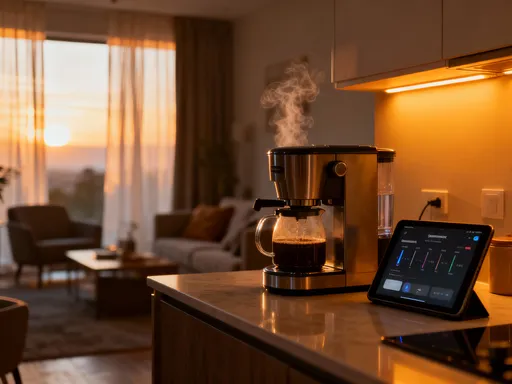
So how do you start? It’s simpler than you think. The first thing I did was stop waiting for the ‘perfect’ moment. Instead, I looked for the tiny pockets of time I already had. Waiting for the coffee to brew? That’s three minutes. Folding a basket of laundry? That’s ten. Walking to the mailbox and back? Five more. These aren’t empty moments — they’re opportunities.
Here’s what I suggest: open the app and create a playlist called “Quick Bites.” Fill it with episodes under 15 minutes — topics you actually care about, like healthy recipes, simple mindfulness practices, or tips for organizing your home. The key is relevance. If it doesn’t feel useful or interesting, you won’t stick with it.
Next, turn on auto-play. This was a game-changer for me. Once I finished one short episode, the next one started automatically. No fumbling with my phone while holding a toddler or stirring a pot. I could just keep moving and keep listening. It made the experience feel continuous, like a gentle soundtrack to my day.
And don’t worry about missing parts. Because the app remembers your place across devices, you can start in the kitchen, pause when the phone rings, and pick up again in the car. No stress. No restarting. It’s designed for real life — the messy, beautiful, unpredictable kind.
Try it tomorrow: while you’re brushing your teeth, plug in and listen to one short episode. Or play one while you’re heating up lunch. These micro-sessions add up. After a week, you might realize you’ve absorbed more new ideas than you have in months. And the best part? You didn’t have to ‘find time.’ You just used the time you already had.
Customizing Your Listening for Maximum Flexibility
One of the things I love most about this app is how it adapts to *you*, not the other way around. Some days, I’m wide awake and can absorb complex ideas at normal speed. Other days, I’m tired, and I want to slow things down so I don’t miss a word. The app lets me adjust playback speed with a simple swipe — no digging through menus.
And when I’m in a noisy place — like the grocery store or a busy park — I turn on the noise filter. It doesn’t make everything silent, but it reduces background chatter so the host’s voice comes through clearly. It’s like having a little bubble of focus, even in the middle of chaos.
Another feature I rely on is the “listen reminder.” I set it for 10 a.m. — right after I’ve dropped the kids and before I start my errands. It’s not pushy. It’s a gentle nudge, like a friend saying, “Hey, don’t forget that episode you wanted to hear.” If I’m not ready, I can snooze it. If I am, I tap and go. It helps me stay consistent without pressure.
I also love that I can skip intros and recaps with one tap. So many podcasts repeat the same welcome message or ad reads — and while I get why they do it, I don’t need to hear it every time. The app lets me jump straight to the content, which respects my time. It’s these small touches that make it feel personal, like it’s designed by someone who understands how busy women actually live.
The beauty of it all is that you’re not locked into one way of listening. You can experiment. Try a faster speed in the morning, slower in the evening. Use the noise filter when you’re out, turn it off when you’re home. Let the reminders guide you, or ignore them when you’re in the flow. It’s your rhythm. The app just follows along.
Building a Habit That Sticks — Without the Pressure
We’ve all tried to build habits before — and failed. Maybe you committed to 30 minutes a day, only to miss one day and feel like you’d ruined everything. That all-or-nothing thinking is what kills most habits. But this isn’t about perfection. It’s about progress.
What helped me was celebrating the small wins. The first time I finished an entire series on mindful living — while folding laundry and waiting in the school pickup line — I felt proud. Not because I’d done something huge, but because I’d shown up for myself in the little moments.
The app supports this gently. It shows your listening streak — not in a shaming way, but as a quiet reminder of consistency. If you miss a day? No red X. No guilt trip. Just a soft reset. It understands life happens. And that’s powerful.
I also started sharing little takeaways with my sister — like a new recipe tip or a breathing exercise that helped me calm down before a busy afternoon. Talking about what I’d learned made it feel more real, more valuable. It wasn’t just passive listening — it was part of my life.
The key is to let go of pressure. You don’t have to listen every day. You don’t have to finish every episode. Just open the app when you can, listen when you want, and let the rest go. Over time, it becomes natural — like checking the weather or scrolling through photos. It’s not another task on your list. It’s a small act of care for yourself.
How Listening Transformed My Days (And Could Transform Yours)
I’ll be honest — I didn’t expect much. I thought, “Okay, maybe I’ll hear a few tips.” But what happened was deeper. I started feeling more connected — to ideas, to myself, to the world beyond my to-do list. I wasn’t just passing time anymore. I was growing.
There’s a quiet joy in learning something new while you’re doing the dishes. It turns routine into renewal. I’ve picked up simple cooking hacks, learned how to declutter a closet in 15 minutes, and even discovered ways to talk to my teens with more patience. These aren’t life-changing revelations — but together, they’ve changed my life.
And it’s not just about the information. It’s about the feeling. That moment when you realize you’re not just surviving the day — you’re engaging with it. You’re curious. You’re present. You’re investing in yourself, even in the small spaces.
I still don’t have ‘free time.’ But I don’t need it anymore. Because I’ve learned that growth doesn’t require big blocks of time — it just needs intention and the right tools. This app didn’t give me more hours. It helped me use the ones I already had in a way that finally felt meaningful.
So if you’ve been putting off that podcast because you’re waiting for the stars to align — stop waiting. Open the app. Play one short episode while you’re doing something ordinary. Let it surprise you. Because the truth is, you don’t need more time to grow. You just need a way to make the time you have count. And that? That’s freedom.